
BiPAP Therapy
Bilevel Positive Airway Pressure provides separate inspiratory and expiratory pressure levels for patients who need more complex pressure support.
VeroHealth supports BiPAP, AVAPS, and ASV therapy for patients who need more advanced respiratory assistance than traditional CPAP can provide.
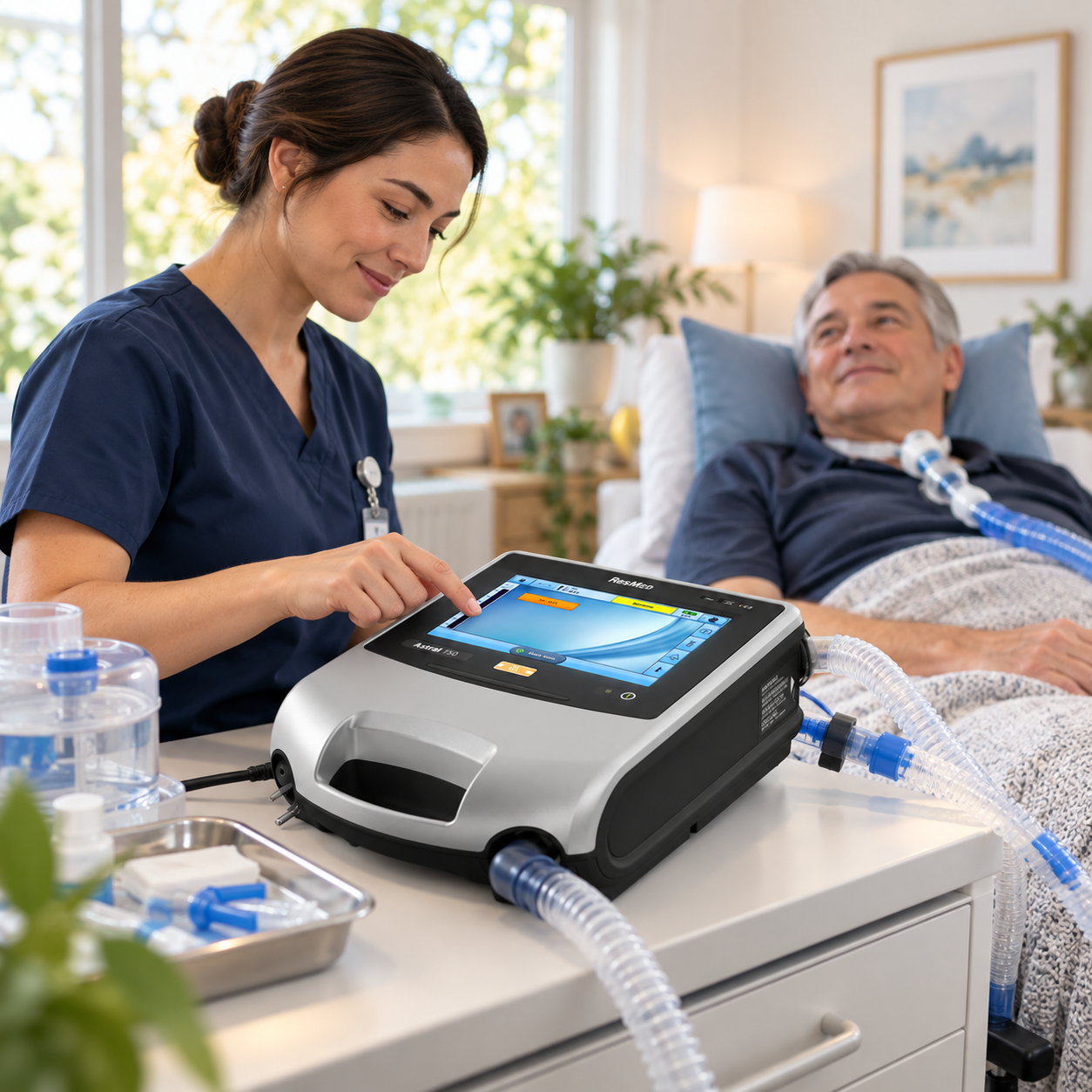
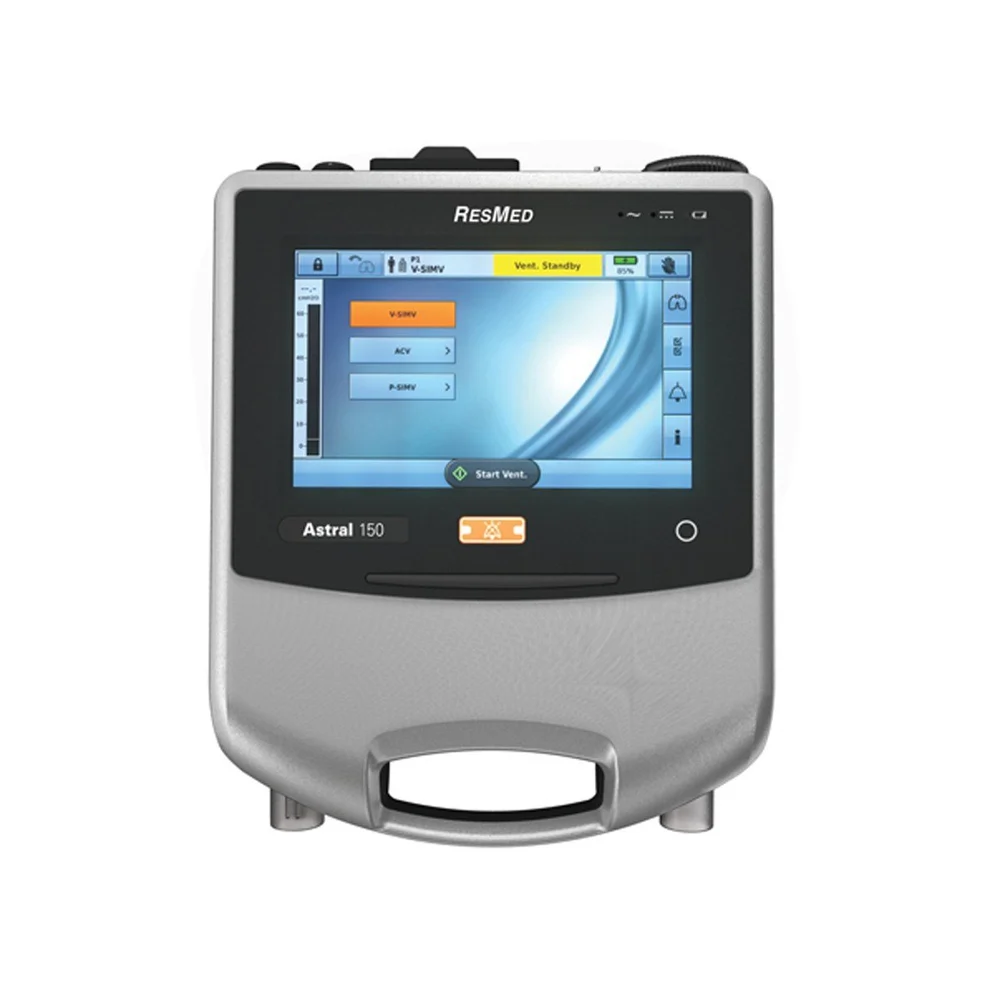
NIV is used when patients need more ventilatory assistance while continuing therapy through a mask-based interface.
Non-invasive ventilation provides respiratory support without invasive procedures such as a tracheostomy. It can be appropriate for patients who require more assistance than traditional CPAP therapy offers.
VeroHealth supports BiPAP, AVAPS, and ASV therapy, each designed around different respiratory patterns and clinical needs.
Long-term breathing difficulties requiring ongoing mechanical support.
Conditions such as ALS and muscular dystrophy that can affect breathing muscles.
High-level spinal injuries that can affect respiratory function.
Severe cases that may require more advanced ventilatory support.
The prescribed device and mode depend on the patient’s condition, breathing pattern, ventilation needs, and clinician-directed settings.
Bilevel Positive Airway Pressure provides separate inspiratory and expiratory pressure levels for patients who need more complex pressure support.
Average Volume Assured Pressure Support adjusts pressure to help maintain a target tidal volume as the patient’s ventilation needs change.
Adaptive Servo-Ventilation monitors breathing patterns and varies support in response to irregular breathing, including certain central sleep apnea patterns.
The therapy mode determines what the device is designed to support—from separate inspiratory and expiratory pressures to target-volume assistance or adaptive stabilization of irregular breathing patterns.
BiPAP uses separate pressure levels for inhalation and exhalation to provide more breathing assistance than a single fixed pressure.
AVAPS can vary pressure support over time in an effort to maintain a prescribed target tidal volume.
ASV monitors the breathing pattern and adjusts support dynamically when breathing becomes irregular.
VeroHealth pairs NIV equipment with the setup, education, monitoring, mask support, and supply coordination needed to keep therapy practical at home.
Call VeroHealth · 1-855-316-3506Certified respiratory therapists evaluate the prescribed therapy needs and help align equipment support with the clinical plan.
Professional setup and hands-on education on equipment use, routine care, and day-to-day therapy basics.
Ongoing data review and therapy support coordinated with the patient’s physician as appropriate.
Access to respiratory support for therapy-related questions, equipment troubleshooting, and guidance.
Personalized fitting and comfort adjustments to help maintain effective mask-based ventilation therapy.
Support for essential replacement items such as masks, tubing, filters, and other therapy supplies.
NIV therapy typically involves more clinical coordination than standard PAP therapy, so the process is built around evaluation, prescription, authorization, setup, and follow-up.
Your physician evaluates your respiratory condition, which may include sleep studies or pulmonary function testing, to determine whether NIV is appropriate.
Your clinician prescribes the NIV therapy mode—such as BiPAP, AVAPS, or ASV—and the settings appropriate for your needs.
VeroHealth works with the insurance provider to verify benefits and help coordinate required authorization for equipment and supplies.
A respiratory therapist sets up the NIV equipment and provides practical education on use, mask fit, and routine maintenance.
Follow-up may include therapy monitoring, equipment maintenance, resupply coordination, and continued respiratory support.
These answers provide general guidance. Your physician’s prescription and clinical recommendations should guide your specific therapy.
Connect with VeroHealth for respiratory support, insurance guidance, or help coordinating the next step in your prescribed therapy.